
Fire Risk Assessments: Why "Checking the Box" Isn't Enough in 2026

In the landscape of 2026, the concept of fire safety has undergone a fundamental transformation. For years, many property managers and business owners viewed the Fire Risk Assessment (FRA) as a hurdle to be cleared: a "tick-box" exercise completed once a year, filed away in a cabinet, and forgotten until the next inspection. However, as we move through 2026, this passive approach is not only dangerous but legally untenable.
At Sorrell Ltd, we have observed a significant shift in how regulatory bodies and insurers view fire compliance. The days of generic, one-size-fits-all safety documents are over. Today, a robust fire strategy demands a dynamic, detailed, and ongoing evaluation of the building fabric and its occupants. Simply put, "checking the box" is no longer enough to ensure genuine safety or legal protection.
The Myth of Permanent Compliance
One of the most dangerous misconceptions in modern property management is the idea that a "passed" inspection in the past guarantees safety today. Under the updated 2026 fire codes, previous approvals are no longer a shield against current liability. Regulatory standards, such as the revised NFPA 1 and localized UK safety mandates, now emphasize that life safety features must be reevaluated whenever a "trigger event" occurs.
What constitutes a trigger event? It could be a change in building occupancy, a minor renovation, or even a shift in the density of the occupant load. If you have repurposed a wing of your office or increased the number of staff on a particular floor, your previous fire risk assessment may be effectively void. Officials are now meticulously scrutinizing exit capacities, the visibility of exit signage, and the adequacy of fire alarm coverage based on current usage rather than original architectural plans.
It is your responsibility to ensure that your building remains compliant in real-time. Sorrell Ltd provides the expertise needed to identify these triggers before they become liabilities, moving beyond basic inspections to provide comprehensive building maintenance services that keep pace with your business’s evolution.
Hazard-Specific Assessments vs. Generic Solutions
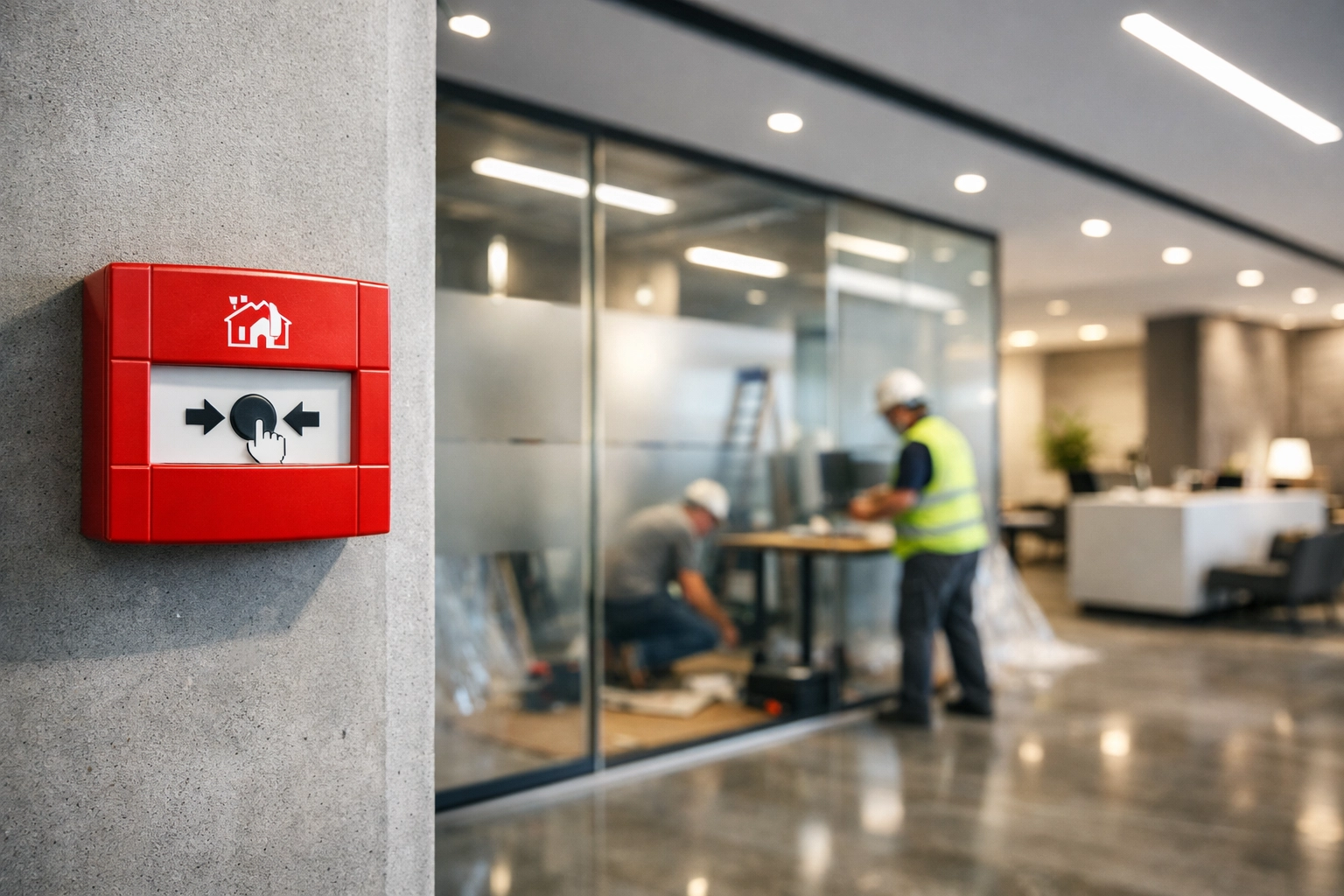
In 2026, the era of the "general purpose" fire extinguisher or the "standard" smoke detector is fading. Modern fire compliance requires a hazard-specific approach. This means that the fire safety measures within a building must be precisely matched to the actual risks present in specific zones.
For instance, updated guidance now mandates hazard-based fire extinguisher selection. A kitchen environment, a server room, and a storage area for combustible materials each require distinct suppression technologies. Relying on a single, universal extinguisher type across a diverse facility is a hallmark of the "tick-box" mentality that 2026 regulations seek to eliminate.
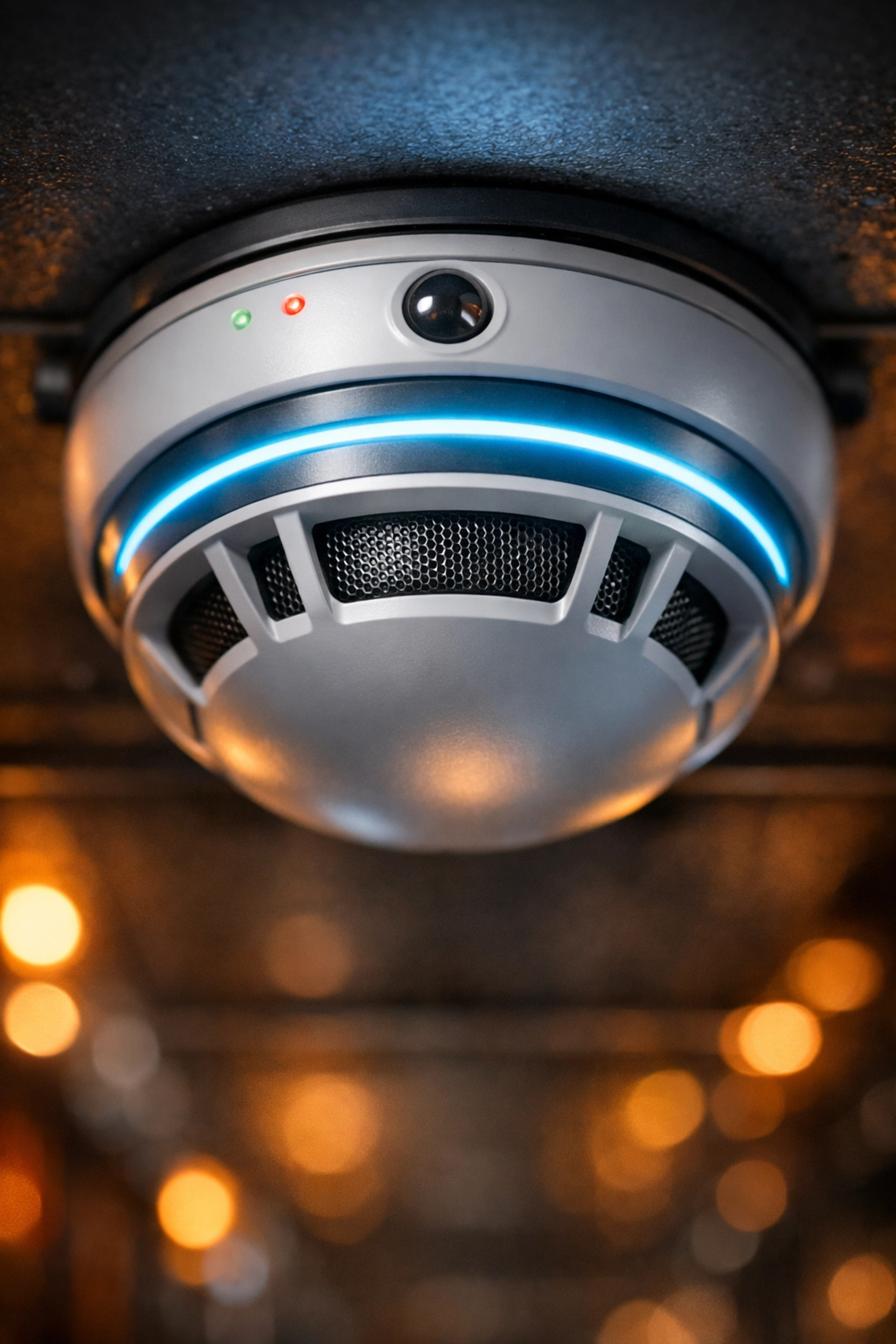
Similarly, fire and leak detection systems are now categorized by device classes. Inspectors are increasingly identifying locations where the installed detector does not match the actual hazard: for example, using a standard heat detector where a sophisticated optical smoke or multi-sensor detector is required to provide adequate early warning. Sorrell Ltd works to meticulously evaluate your premises, ensuring that every piece of hardware is fit for its specific purpose, safeguarding both your assets and your peace of mind.
The Documentation Revolution: Beyond the Checklist
The standard for documentation has been raised significantly. In the past, a simple signature on a checklist might have sufficed for a fire alarm test or a fire door inspection. In 2026, the expectations are far more rigorous.
Comprehensive record-keeping is now mandatory. Every test must be documented with the specific date, time, device type, precise location, and the outcome of the test. If a deficiency is found, the corrective action must be logged, followed by a final status update of the system. This creates a "golden thread" of information that proves a proactive approach to safety.
For buildings equipped with newer technologies, such as energy storage systems (ESS), the documentation requirements are even more complex. Facility managers must maintain detailed logs of design compliance, installation standards, and ongoing inspection results. This level of detail is not optional; it is a critical component of modern fire compliance.
Protecting the People: The Rise of PEEPs
Fire safety is not just about the integrity of the building fabric; it is about the safety of the people inside it. One of the most significant shifts in 2026 is the increased focus on Personal Emergency Evacuation Plans (PEEPs).
Particularly in higher-risk residential buildings and complex commercial spaces, fire safety is no longer a one-size-fits-all evacuation strategy. Regulations now demand individualized, person-centered plans for residents or staff who may require assistance during an emergency. These plans must be developed in collaboration with the individuals involved and must be kept current.
If a resident’s mobility changes, or if building works alter an evacuation route, the PEEP must be updated immediately. This level of granular detail ensures that no one is left behind, moving fire safety from a technical requirement to a moral and legal imperative. At Sorrell Ltd, we understand that fire risk assessments must be as much about people as they are about pipes and partitions.
The Critical Role of Fire Door Inspections
A fire risk assessment is incomplete without a thorough examination of fire doors. These are often the most abused and neglected components of a building’s fire defense system. In 2026, inspectors are looking far beyond the presence of a "Fire Door" sign.
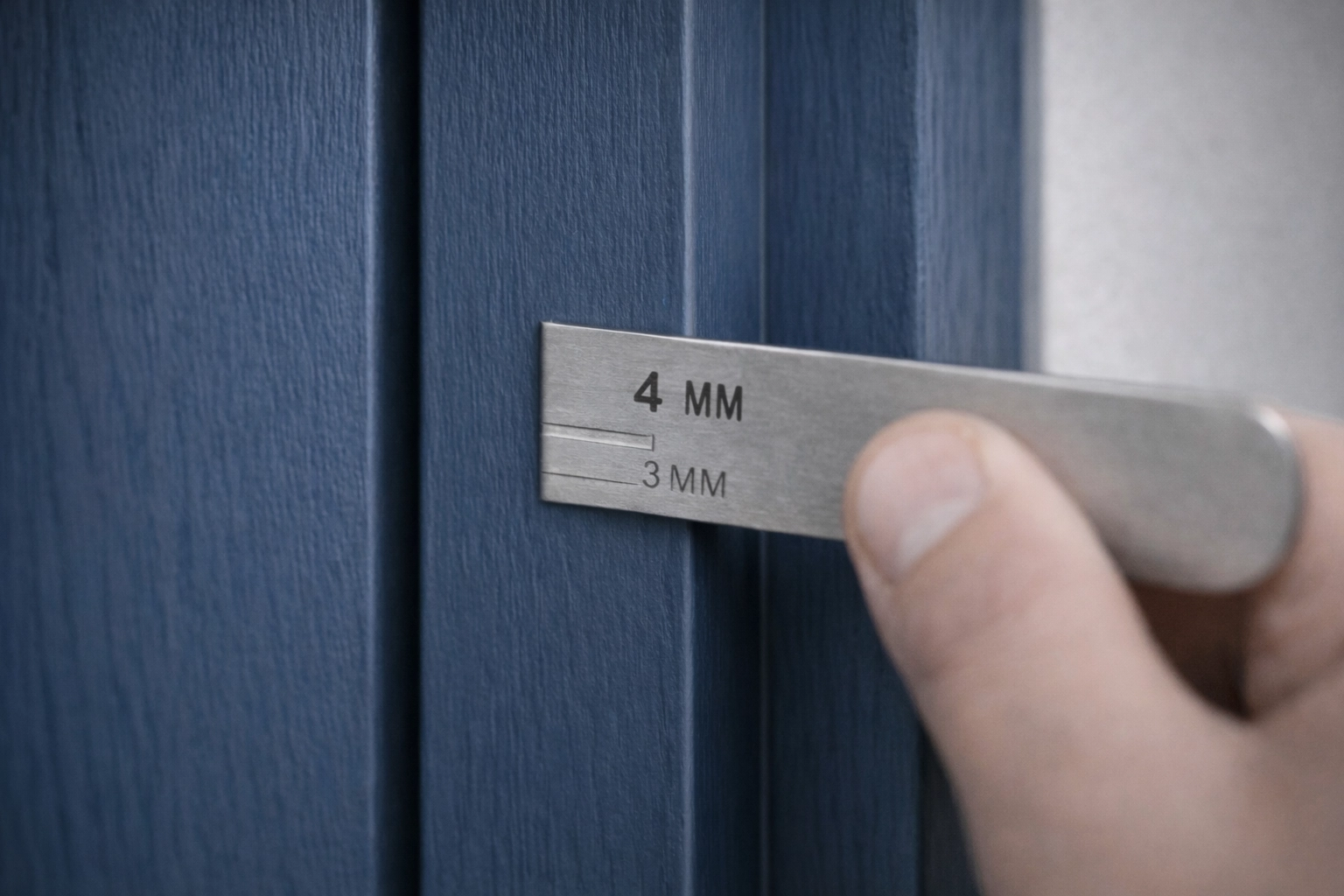
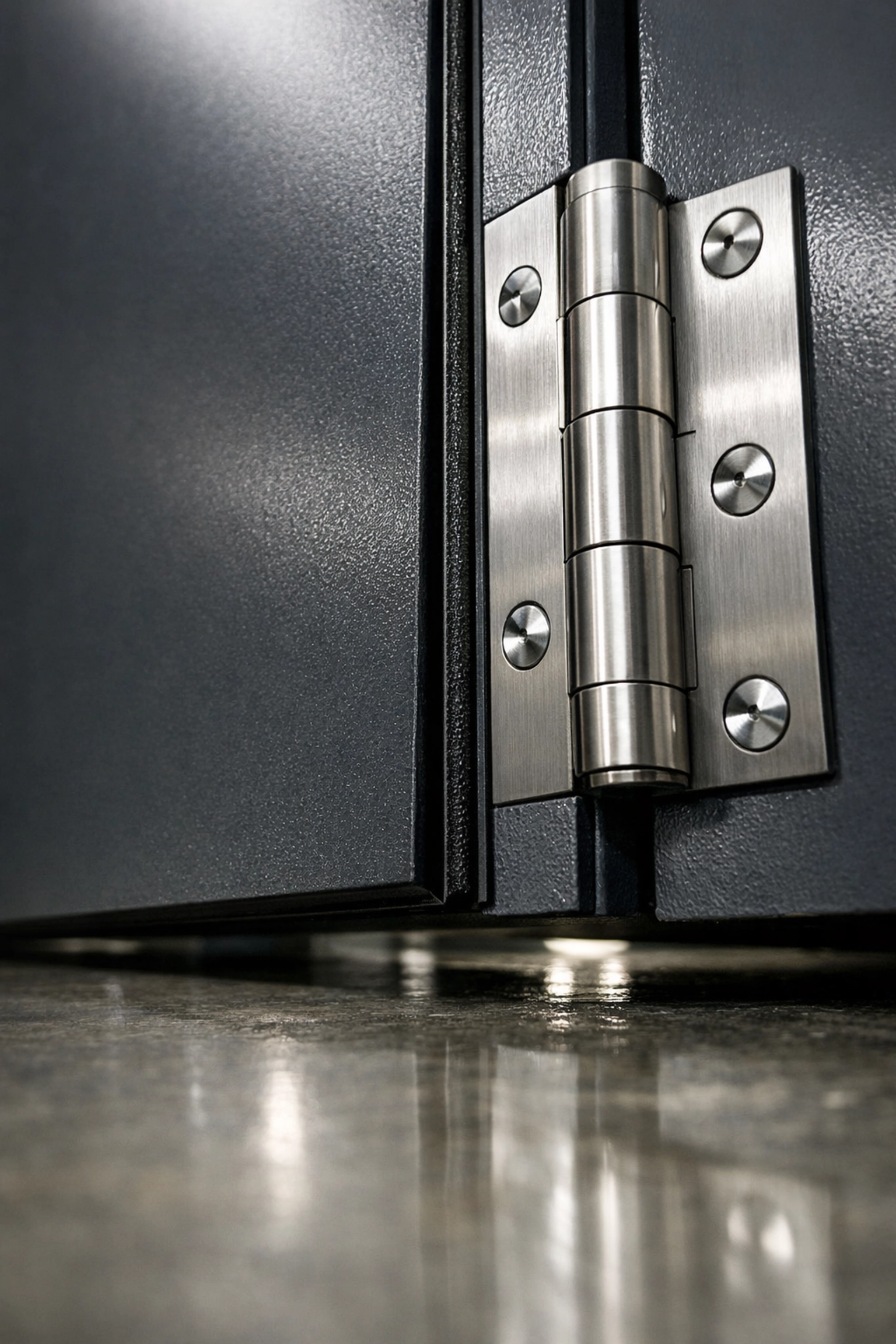
We meticulously check for the integrity of intumescent strips, the functionality of self-closing mechanisms, and the precision of the gaps between the door and the frame. A fire door that fails to close properly or lacks a functional seal is not a fire door; it is a breach in your building’s defense. Sorrell Ltd specializes in fire door inspections, ensuring that these critical barriers perform exactly as intended when they are needed most.
Why Expert Competency Matters
The complexity of 2026 fire codes means that the person carrying out your assessment must be demonstrably competent. The days of "doing it in-house" without specialized training are over. Professional fire risk assessors bring a level of technical expertise that identifies hidden risks: such as inadequate fire stopping in service risers or the degradation of fire-resistant materials within the building fabric: that an untrained eye would miss.
Sorrell Ltd prides itself on providing a professional, authoritative service that goes deeper than the surface. We don't just find problems; we provide the roadmap to solve them. Our team ensures that your building is not just "compliant" on paper, but genuinely resilient in the face of a fire emergency.
The Financial and Legal Reality
It is important to be direct: failing to move beyond a "check-the-box" mentality carries severe consequences. In 2026, enforcement actions are more frequent and penalties are more substantial. Beyond the risk of heavy fines or prosecution, there is the matter of insurance.
Insurers are increasingly scrutinizing the quality of fire risk assessments. If a claim is made and the assessment is found to be superficial or outdated, coverage may be denied. This can lead to catastrophic financial loss. Proactive fire maintenance and thorough assessments are an investment in your company’s future, not just a line item in the budget.
How Sorrell Ltd Can Help
Staying on top of evolving standards requires a partner who understands the intricacies of building maintenance services. Sorrell Ltd offers a comprehensive suite of fire safety services designed to take the burden of compliance off your shoulders.
From conducting meticulous fire risk assessments to managing complex fire door remediation and emergency lighting testing, our team is dedicated to the highest standards of safety and integrity. We help you navigate the complexities of 2026 regulations, ensuring that your property is safe, your documentation is flawless, and your liability is minimized.
Don't wait for an inspection or an incident to realize that your fire safety strategy is lacking. The shift from "checking a box" to "ensuring safety" is a necessary evolution for every modern business.
If you are ready to move toward a more thorough, professional, and effective approach to fire safety, we invite you to book online or visit our main website to learn more about how Sorrell Ltd can safeguard your assets and your people.
Safety is not a destination; it is a continuous process of evaluation and improvement. Let us help you ensure that your building is prepared for the challenges of 2026 and beyond.
Comments