
PPM Vs Reactive Maintenance Services: Which Is Better For Your Commercial Property?
status: DRAFT
Managing a commercial property is a lot like spinning plates. You have tenants to keep happy, safety regulations to meet, and a budget that never seems quite big enough. When it comes to looking after the physical building itself, most owners find themselves caught between two very different strategies: Planned Preventative Maintenance (PPM) and Reactive Maintenance.
If you’ve ever had a boiler pack up on the coldest Monday of the year or discovered a roof leak right above a tenant’s expensive server rack, you know the stress of building upkeep. But which approach is actually better for your bottom line and your sanity?
At Sorrell Ltd, we’ve seen both sides of the coin. In this guide, we’re going to break down the pros and cons of each, look at the cold hard facts regarding costs, and help you decide on the best strategy for your commercial assets.
Understanding Planned Preventative Maintenance (PPM)
Planned preventative maintenance is exactly what it sounds like: a scheduled, proactive approach to building care. Instead of waiting for things to break, you carry out regular inspections and minor repairs to ensure everything keeps running smoothly. It’s the building equivalent of taking your car for an MOT and a service every year: you do it to catch the small issues before they turn into a roadside breakdown.
For a commercial property, this involves meticulously scheduling tasks throughout the year. This could include:
Servicing HVAC systems before the summer heat hits.
Checking guttering and drainage before the autumn rains.
Testing emergency lighting and fire alarms.
Inspecting the building fabric for wear and tear.
The goal of a PPM schedule is to extend the lifespan of your equipment and keep the building in a state of "compliance." In the world of commercial real estate, compliance is not optional; it is your responsibility to ensure the safety of everyone on-site.

The "Fix It When It Breaks" Approach: Reactive Maintenance Services
Reactive maintenance services are the "firefighting" side of property management. This strategy involves repairing equipment or building elements only after they have failed.
Now, on the surface, this might seem like a way to save money. If it isn't broken, why pay to fix it? This approach is often used for non-critical items: think of a lightbulb in a hallway or a squeaky door hinge. However, when applied to critical systems like plumbing, electrics, or fire safety, reactive maintenance becomes a high-stakes gamble.
The problem with being purely reactive is that you lose control over your schedule and your budget. Breakdowns rarely happen at convenient times. They happen at 2:00 AM on a Sunday or right in the middle of a major client meeting. When you rely solely on reactive services, you are always on the back foot.
The Cost Comparison: Why Waiting Costs More
Let’s talk numbers. It is a common misconception that avoiding PPM saves money. In reality, the research shows the opposite. Reactive maintenance costs are approximately 25% to 30% higher than preventive maintenance.
Why is it so much more expensive?
Emergency Premiums: If you need an engineer on-site within two hours on a weekend, you’re going to pay a premium for labor.
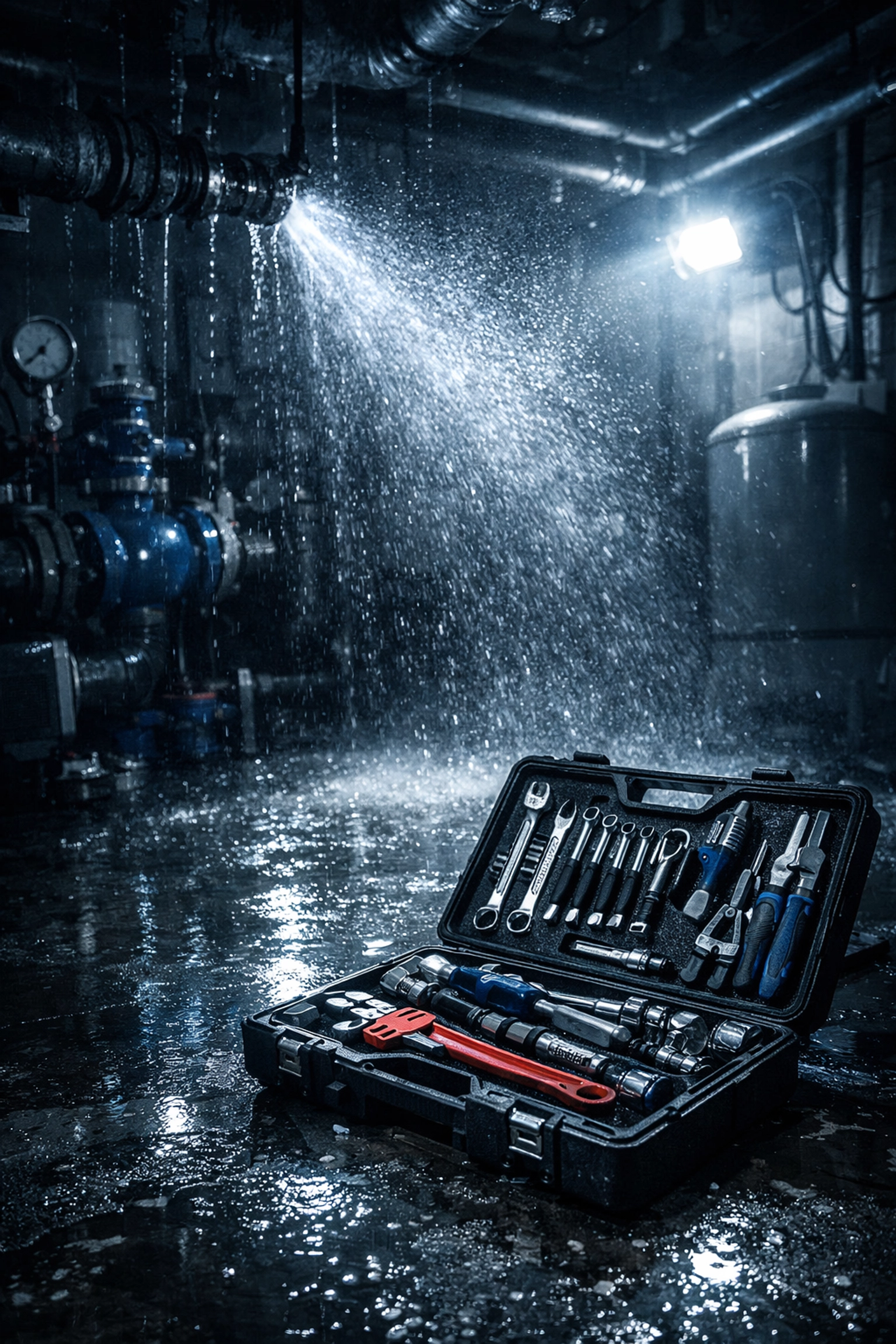
Collateral Damage: A small leak in a pipe (which could have been spotted during a PPM check) can eventually burst, causing thousands of pounds in water damage to carpets, electronics, and ceilings.
Part Availability: When a part fails unexpectedly, you might have to pay for express shipping or take whatever replacement is available, rather than shopping around for the best price.
Furthermore, an hour of unplanned downtime costs facilities around $25,000 on average. For larger commercial organizations, that figure can skyrocket to over $500,000. When your building’s systems fail, your tenants can’t work. If your tenants can’t work, they aren't happy, and that puts your rental income at risk.
Safety and Legal Compliance
Beyond the financial aspect, there is the matter of safety. As a property owner or manager, you have a legal duty of care. Certain aspects of building maintenance are strictly governed by law.
For example, fire safety is a critical area where reactive maintenance is simply not an option. You cannot wait for a fire to realize your fire doors aren't sealing properly. Regular fire door inspections are a vital part of a planned maintenance program. These inspections ensure that intumescent strips are intact, closers are working, and the integrity of the door is maintained.
By choosing a PPM approach, you create a paper trail of compliance. If an incident ever occurs, you can prove that you have been proactive in safeguarding your assets and the people inside them. This "peace of mind" is one of the biggest benefits our clients at Sorrell Ltd report.
The 80/20 Rule: Finding the Balance
While we advocate strongly for a proactive approach, it’s rarely a case of choosing one or the other. The most efficient commercial properties operate on an 80/20 split.
80% Planned Maintenance: You should dedicate the vast majority of your resources to scheduled checks and preventative measures. This keeps your critical systems: elevators, HVAC, fire safety, and roof integrity: in top condition.
20% Reactive Maintenance: There will always be things you can’t predict. A window broken by a storm, a vandalized fence, or a spilled coffee that ruins a carpet tile. These are the low-priority, unpredictable issues where a reactive approach makes total sense.
By sticking to this ratio, you ensure that your "emergency" budget stays small and manageable, while your building's overall value is protected.
Operational Benefits of PPM
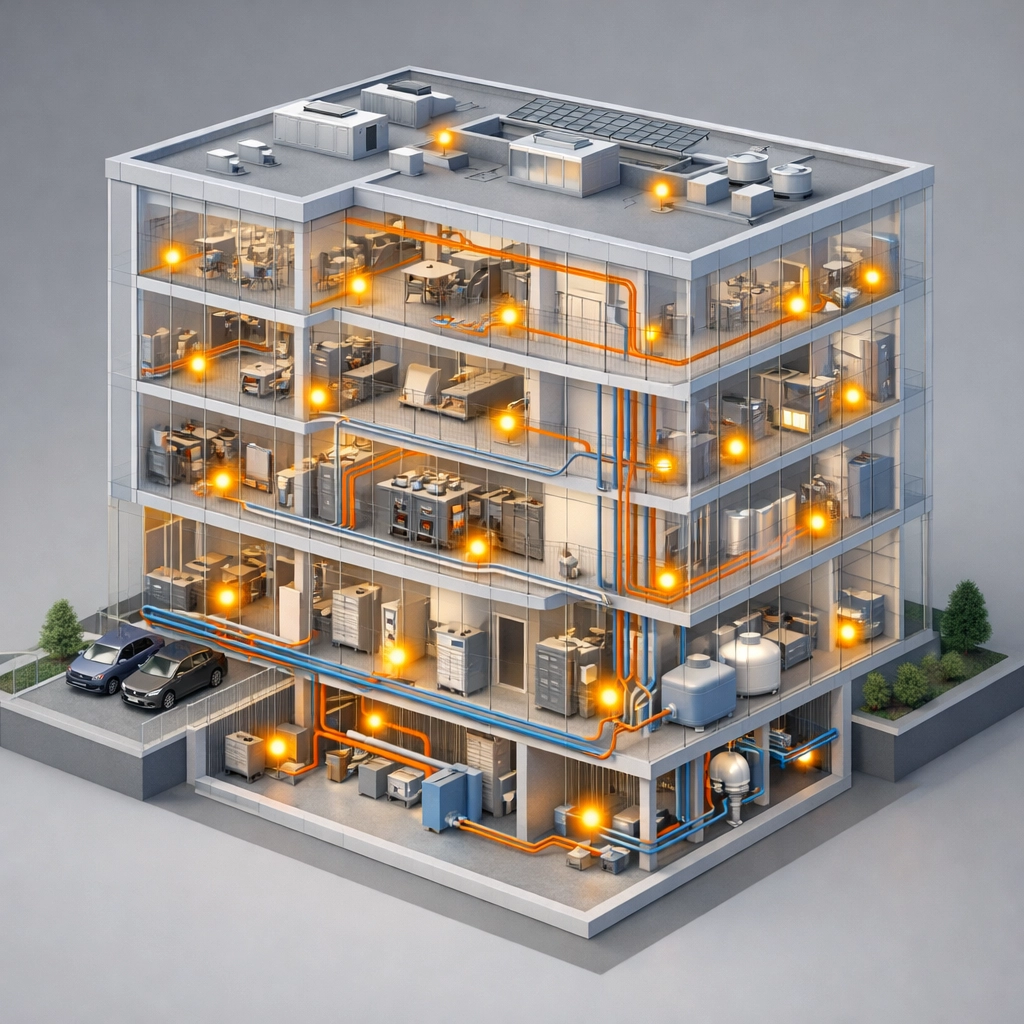
When Sorrell Ltd manages a PPM contract, we see a significant shift in the building's atmosphere. It moves from "chaotic" to "controlled." Here are a few operational benefits you’ll notice:
Extended Asset Life: Equipment that is cleaned, lubricated, and adjusted regularly lasts years longer than equipment that is pushed to the point of failure.
Energy Efficiency: A well-maintained HVAC system uses significantly less energy than one struggling with clogged filters and worn-out motors.
Better Tenant Retention: Tenants are much more likely to renew their leases in a building where everything works as it should. It shows that the management is professional and cares about their environment.
Predictable Budgeting: With a PPM plan, you know exactly what your maintenance costs will be for the next 12 months. No nasty surprises.
How Sorrell Ltd Can Help
At Sorrell Ltd, we specialize in helping commercial property owners move from a reactive "panic mode" to a structured, efficient maintenance plan. We understand that every building is different, which is why we don't believe in a one-size-fits-all approach.
Our team can evaluate your property, identify the most critical assets, and design a planned preventative maintenance schedule that fits your budget and meets all legal requirements. From general building maintenance to specialized fire risk assessments, we have the expertise to keep your property running like clockwork.
We pride ourselves on being more than just contractors; we are partners in your property’s success. Our team is direct, firm on safety, and meticulously thorough in every inspection we conduct.

Final Thoughts: Which Is Better?
So, back to the original question: Which is better for your commercial property?
If you want lower long-term costs, higher safety standards, better tenant satisfaction, and a lot less stress, Planned Preventative Maintenance wins every time. While reactive maintenance services will always have a small place for those unpredictable "oops" moments, they should never be your primary strategy.
Don't wait for a major failure to start thinking about your building's health. Taking a proactive stance today is the best way to safeguard your investment for tomorrow.
If you’re ready to get your commercial property on the right track, get in touch with the team at Sorrell Ltd today. Let’s stop the firefighting and start focusing on the long-term integrity of your building.
Comments